Flip a House House Progression
Climb from starter dirty properties to bigger houses and stronger buyers without stranding your cash.
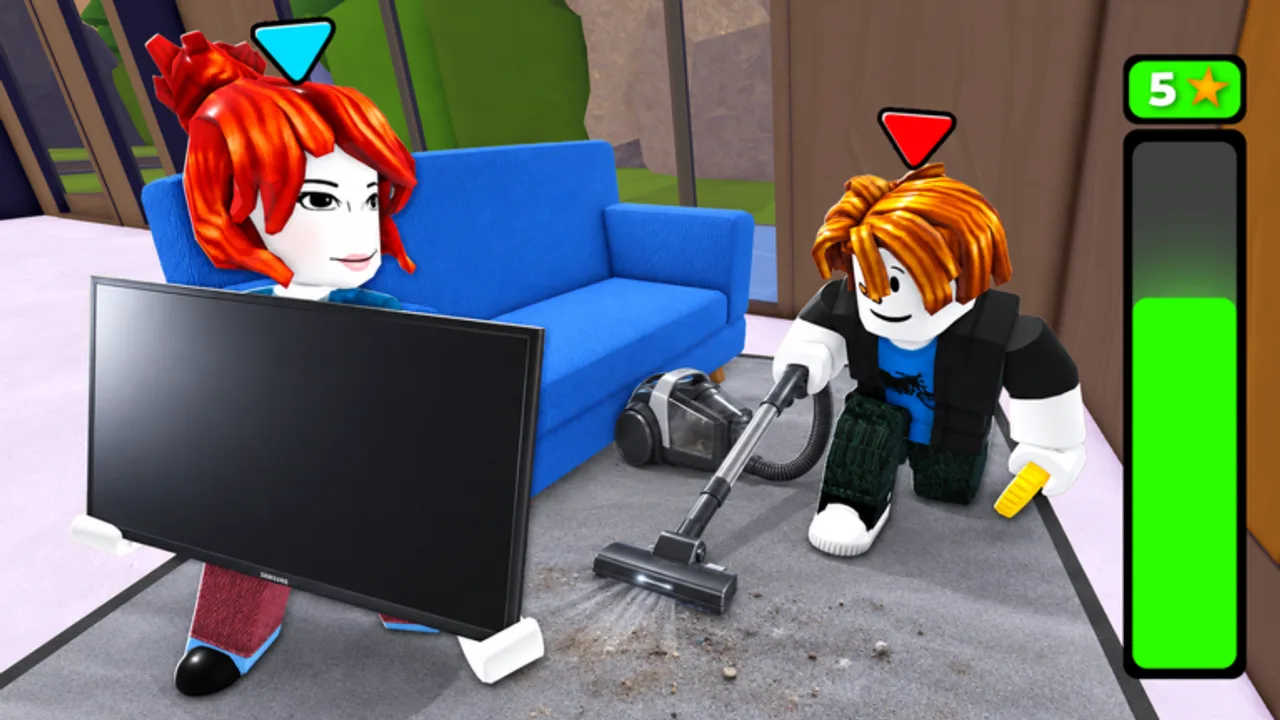
What “progression” means in Flip a House!
Flip a House! by Increates House is not a linear campaign with fixed story chapters. Progression is the economy loop: clear trash, vacuum and scrub, furnish to raise sale price, sell for BIG MONEY, buy better gear, then take on larger properties and stronger buyers. This page is community guidance for climbing that ladder — exact house names, buyer labels, and shop prices can change after Roblox updates, so treat every tier example as a pattern, not a frozen roster.
If you have not finished a first solo flip yet, start with Getting Started. For raw cash-per-hour tactics, pair this page with Make Money Fast. The embedded full-gameplay video shows one complete session end to end — use it to feel pacing, then apply the upgrade and buffer rules below in your own servers.
The progression spine (keep this order)
- Starter dirty house — learn trash → scrub → furnish → sell without panic.
- Tool upgrades — shorten clean time before the dirt density jumps.
- Cash buffer — keep enough money so one bad furnish round does not strand you.
- Next property tier — bigger workload, bigger sale ceiling, tougher buyers.
- Co-op on large jobs — up to four friends when floor plans get wide.
- Repeat — every sell should fund speed, then space, then cosmetics.
Skipping step 2 or 3 is the classic “I bought a huge house and now I am broke with a slow broom” failure mode.
Phase A — Master the starter tier
Your first houses exist to teach routing, not to flex mansion screenshots.
Goals before you climb
- Finish trash on a single loop without forgetting outdoor piles
- Vacuum / scrub the rooms buyers notice first (entry, living, kitchen, baths)
- Watch the sale-price meter while furnishing and sell on the plateau
- Buy at least one cleaning upgrade that feels faster on the next flip
Use Cleaning Tips for room order and the Flip Checklist as a session card. Do not unlock the next house tier just because the button is glowing if your scrub tool still crawls.
How many starter flips is “enough”?
There is no official counter. Community rule of thumb: stay until you can finish a starter-tier clean without getting lost and until minutes-per-house are trending down. Three clean, disciplined flips often beat one rushed jump into a denser property.
Phase B — Gear before square footage
Bigger houses punish slow tools. When you have a pile of BIG MONEY, ask: does this purchase buy time on every future flip?
Buy gear first when
- Trash clear or vacuum / scrub still dominates your session clock
- You backtrack because capacity or reach forces extra trips
- Co-op teammates wait on you during the clean phase
- The next house preview looks denser (more rooms, more junk) than your current tools enjoy
Delay the bigger house when
- You are still learning which furniture moves the meter (Furniture & Selling)
- Your cash after sell cannot cover both a tool upgrade and a sane furniture budget
- You only want the bigger house for screenshots
Cross-check spend order with the Tools Tier List and Furniture Tier List — those pages are community rankings and may lag patches. Your stopwatch in a live server still wins arguments.
Phase C — Build a cash buffer before bigger jobs
A cash buffer is money you refuse to spend on impulse decor so a larger flip cannot bankrupt you mid-clean.
Practical buffer habits
- After each sell, decide the next tool before opening the furniture catalog for fun buys.
- Keep enough cash for a full P0–P1 furnish pass on the next house (entry, living, kitchen, baths) even if the rest stays sparse.
- If a house goes badly, sell the plateau early, bank the lesson, and repair tools — do not double down into a denser tier while tilted.
- In co-op, say the buffer goal in chat so four people do not drain the same fund (Co-op Guide).
Buffers feel boring until the first time a large property eats your wallet and leaves you stuck on a slow scrub. Then they feel genius.
Phase D — Bigger properties and tougher buyers
As you climb, expect some mix of:
- More rooms and longer pathing
- Dirt that punishes weak vacuum / scrub tools
- Buyers who care more about completeness (clean + staged hero rooms)
- Higher sale ceilings that only pay out if you finish the loop
Community guidance (not a fixed roster)
We will not invent house names, exact buyer titles, or locked price tables here. Roblox experiences reshuffle shops and property lists. Instead, grade every new job with the same questions:
| Question | If “no” |
|---|---|
| Can my tools clear trash without misery? | Buy cleaning gear first |
| Do I have a furniture buffer for hero rooms? | Farm one more small flip |
| Can I finish before I get bored or lost? | Stay on current tier or bring co-op |
| Does the price meter still jump after big placements? | Keep furnishing; else sell |
When a creator video or group shout shows a new property, verify it in your own client before rewriting your personal meta.
Phase E — Co-op on large houses
Wide floor plans are where up to four players shine.
- Assign wings or floors so nobody stacks in one doorway
- Cleaners open rooms; furnishers enter only when called ready
- One player watches the sale meter and calls the plateau
- Agree the post-sell upgrade before the flip starts
Full role maps live in the Co-op Guide. Solo players can still “simulate” co-op by finishing trash before scrub and scrub before decorate — sequential roles in one body — then invite friends when stairs and side yards start eating the clock.
Free money and honest limits
- Claim Like the game + Join group Increates House free money early — deep steps on Group Rewards and the Codes Hub. We do not invent the reward amount.
- As of mid-September 2026 there are no verified public promo codes and no gamepasses listed as available on the experience page. Progress is the loop, not a pass wall.
- Skip executors; see the Scripts Hub.
Session plans by progression stage
Still on starter tier (30–40 minutes)
- One full house with the Flip Checklist
- Buy the best cleaning upgrade you can afford
- Optional second small flip only if buffer remains
Ready to climb (45–60 minutes)
- Confirm tools feel ahead of current dirt density
- Take the next property tier with a written buffer goal
- Sell on plateau; do not empty the buffer on vanity decor
- If the house felt brutal, drop back a tier for one recovery flip
Large-house co-op night
- Party up (max four), pin roles in chat
- One large property with wing splits
- Pool leftover cash into the shared tool goal
- Only queue a second large job if minutes-per-house stayed sane
Mistakes that stall progression
- Buying the biggest house the moment it unlocks
- Maxing furniture while vacuum tools are still starter-slow
- Zero cash buffer between tiers
- Silent co-op where four players clean the same room
- Trusting fake house-name lists or invented prices from random thumbnails
- Chasing scripts instead of routing (Scripts Hub)
Metrics that prove you are progressing
- Minutes per house trending down on the same tier
- Clean phase shrinking after each tool buy
- Successful sells on the new tier without going broke
- Co-op flips beating your solo time by a clear margin
- Comfortable decision: “gear next” vs “house next” without guessing
If minutes are not falling, you do not need a larger property — you need routing or ROI help from Make Money Fast and the tier lists.
Related pages
- Getting Started
- Make Money Fast
- Tools Tier List
- Furniture Tier List
- Flip Checklist
- Co-op Guide
- Group Rewards
- Guides Hub
Climb Flip a House! by funding speed first, keeping a cash buffer, and treating bigger houses as earned workload — not a vanity unlock. That is how starter dirty rooms turn into a steady path toward larger properties and stronger buyers without inventing a fake house roster.
Frequently Asked Questions
Quick answers for Flip a House players.
When should I unlock a bigger house in Flip a House?
When your cleaning tools feel ahead of the current dirt density, you can finish the present tier without getting lost, and you still have a cash buffer for the next furnish pass.
Should I buy better gear or a bigger house first?
Buy gear that shortens trash, vacuum, or scrub time first. Bigger properties punish slow tools and can strand you if you climb with a tiny buffer.
What is a cash buffer?
Money you keep after a sell so the next house can still fund hero-room furniture and emergency tool needs. It stops one bad flip from ending your session.
Does co-op help on large houses?
Yes. Up to four players can split wings and roles. Uncoordinated groups can still be slower than a focused solo run — assign jobs before you touch trash.
Why doesn’t this guide list every house name and price?
Exact house rosters and prices can change after updates. This page is community guidance on progression patterns, not an invented fixed catalog.